

Business Names & Brand Identity
Names are often among the first things people encounter when they discover a business.
A business name, brand name, domain, product name, or rebrand does more than provide identification. It influences perception, creates associations, communicates meaning, and contributes to the overall identity of the business.
Business Numerology provides a framework for exploring names and identities through an additional lens, helping founders evaluate how different naming choices may support their objectives, positioning, and long-term development.
“Before people experience your business, they experience your identity.”
Why Names Matter
Names are often one of the first things people encounter when they discover a business.
A name can influence recognition, perception, positioning, and the expectations people form before they ever engage with a product or service. While a name alone will never determine success, it can contribute to how a business is remembered, understood, and differentiated within a competitive market.
Recognition
Can people remember it?
Easy to recognise and recall
Distinct from competitors
Supports long-term brand awareness
Clarity
Does it communicate purpose?
Helps people understand what the business does
Creates immediate associations
Reduces confusion and ambiguity
Differentiation
Does it stand apart?
Distinguishes the business from competitors
Creates a unique market identity
Supports positioning and visibility
Alignment
Does it fit the business?
Reflects the values of the founder and brand
Supports long-term business objectives
Feels authentic to the direction of the business
A strong business identity is rarely created by a name alone. It emerges through the interaction between name, brand, message, reputation, and the experience a business creates for its customers. Understanding how these elements work together can provide valuable insight when launching, developing, or repositioning a business.
Beyond The Name

When people think about business identity, they often focus solely on the business name itself.
While the business name is important, it is only one part of a much broader identity system. Every business is made up of multiple elements that shape how it is perceived, recognised, and experienced over time.
Domains, product names, service names, programmes, sub-brands, and even internal project names all contribute to the overall identity of a business. Together, these elements help communicate purpose, create recognition, and influence how customers engage with the brand.
As businesses grow and evolve, these naming decisions often become increasingly important. New products are launched, services expand, audiences change, and businesses may reposition themselves within the market. What once worked well may no longer reflect the direction the business is heading.
Understanding business identity therefore involves more than assessing a single name. It requires examining how the various components of the business work together to create a coherent and recognisable whole.
Business Name
The primary identity of the business.
First point of recognition
Shapes initial perceptions
Supports positioning and recall
Domains
The business online.
Digital identity and visibility
Credibility and accessibility
Consistency across platforms
Products & Services
What the business offers.
Communicates value and purpose
Supports differentiation
Creates recognition within the market
Programmes & Sub-Brands
Extensions of the business identity.
Supports growth and diversification
Creates distinct customer experiences
Builds a wider brand ecosystem
A successful business identity is rarely built around a single name. It emerges through a collection of connected identities that work together to support recognition, clarity, positioning, and long-term business development.
Business Identity & Resonance
Most discussions about business names focus on practical considerations such as memorability, branding, marketing, and domain availability.
While these factors are important, Business Numerology introduces an additional perspective:
How well do the different elements of a business identity work together?
A business identity is rarely defined by a single name. The business name, brand, messaging, products, services, and reputation all contribute to how a business is recognised and experienced over time.
When these elements reinforce one another, businesses often benefit from greater clarity, consistency, and recognition. When they become disconnected, it can be more difficult to communicate value, build trust, or establish a clear market position.
Exploring the relationship between these different elements can provide valuable insight into how a business presents itself to the world and how its identity may evolve as the business grows.
The Four Areas Of Identity


Name
How the business is identified
• Creates recognition and recall
• Forms the foundation of business identity
• Often shapes first impressions
Brand
How the business is perceived
• Communicates personality and positioning
• Influences trust and credibility
• Helps distinguish the business from competitors

Message
How the business communicates value
• Explains what the business offers
• Clarifies purpose and direction
• Influences customer understanding

Reputation
How the business becomes known
• Built through experience and consistency
• Influences referrals and recommendations
• Strengthens long-term recognition
“A strong business identity emerges when name, brand, message, and reputation work together to create a clear and consistent picture of the business.”
Strong Identity Alignment
✓ Clear market positioning
✓ Consistent messaging
✓ Strong brand recognition
✓ Greater customer trust
✓ Easier communication of value
Identity Misalignment
✓ Mixed or confusing messaging
✓ Difficulty explaining the business
✓ Weak differentiation
✓ Brand inconsistency
✓ Reduced recognition and recall
A strong business identity is not created by a name alone. It emerges when name, brand, message, and reputation work together to communicate a clear and consistent picture of who the business is, what it offers, and why it matters.
Rebrands, Renames & Evolution
Businesses are not static.
As organisations grow, markets change, new opportunities emerge, and founders gain experience, the identity of a business often evolves alongside it. A name that felt appropriate during the early stages of a venture may no longer reflect its current direction, audience, or ambitions.
Sometimes the change is subtle. A business may refine its messaging, reposition its services, or update its visual identity. In other situations, more significant changes may be considered, including rebranding, renaming, mergers, acquisitions, or the introduction of new products and services.
These periods of transition often raise important questions:
Does the existing identity still reflect the business?
Will a new name better support future objectives?
How should new offerings fit within the wider brand?
What should remain consistent, and what should evolve?
Business Numerology provides an additional perspective during these decision points, helping founders explore how existing and proposed identities may support the next stage of business development.
Common Reasons For Name Change
Growth & Expansion
The business has evolved beyond its original scope.
New markets or audiences
Broader service offerings
Increased visibility and scale
Repositioning
The business is moving in a new direction.
Updated focus or specialisation
Changing customer needs
New strategic objectives
New Products & Services
Additional offerings require their own identity.
Product naming
Programme naming
Service development
Rebrand Or Rename
The existing identity no longer feels aligned.
Outgrown business names
Mergers and acquisitions
Refreshing market perception
Change does not necessarily mean that an existing identity is wrong. Often it reflects the natural development of a business over time. The objective is not simply to create something new, but to ensure that the identity of the business continues to support its direction, positioning, and long-term goals.
Common Naming Challenges
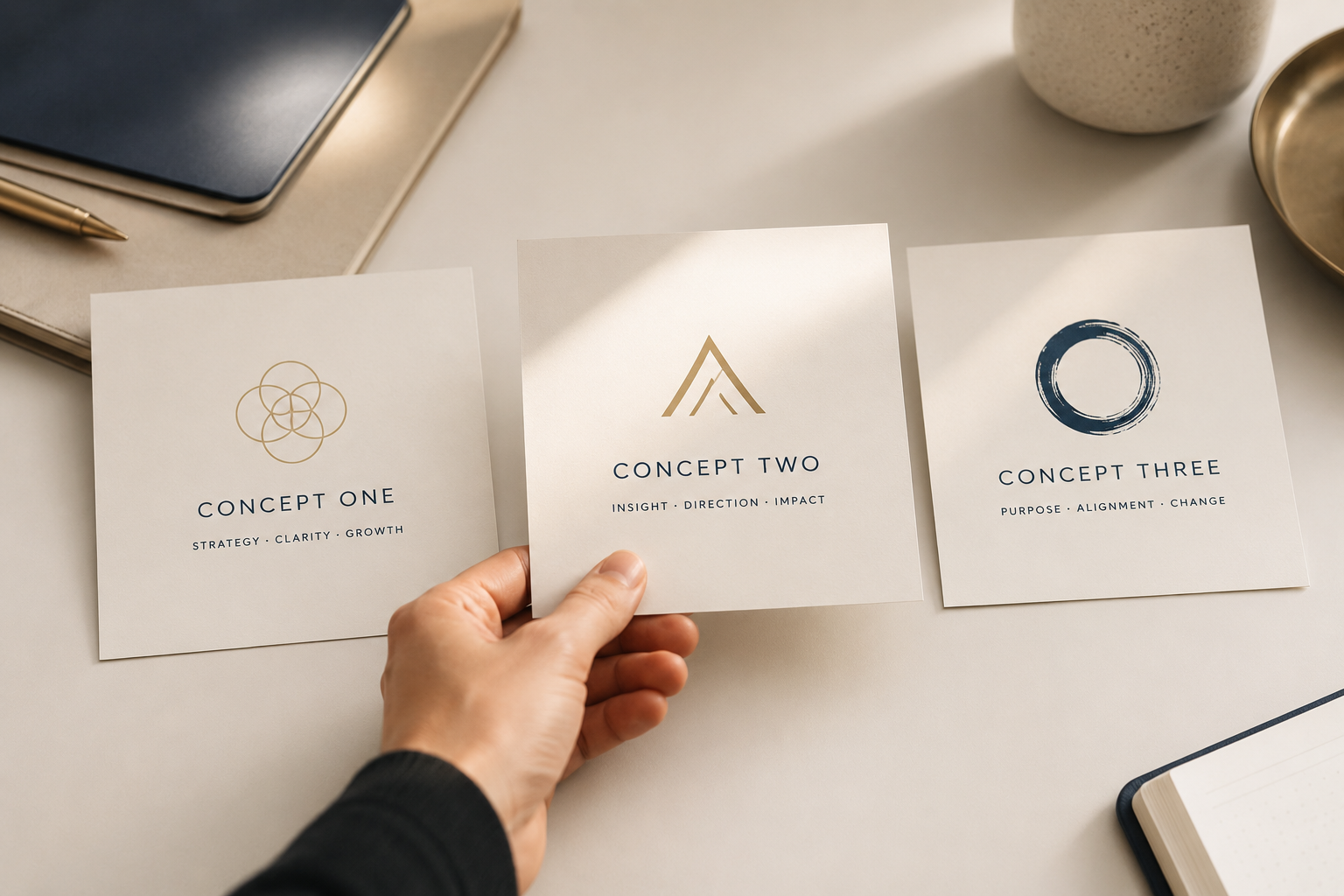
Choosing Between Several Names
When multiple options seem equally appealing.
Comparing strengths and limitations
Evaluating long-term suitability
Gaining an independent perspective

Evaluating An Existing Name
Understanding the identity already in place.
Assessing current strengths and challenges
Reviewing alignment with business objectives
Exploring opportunities for refinement
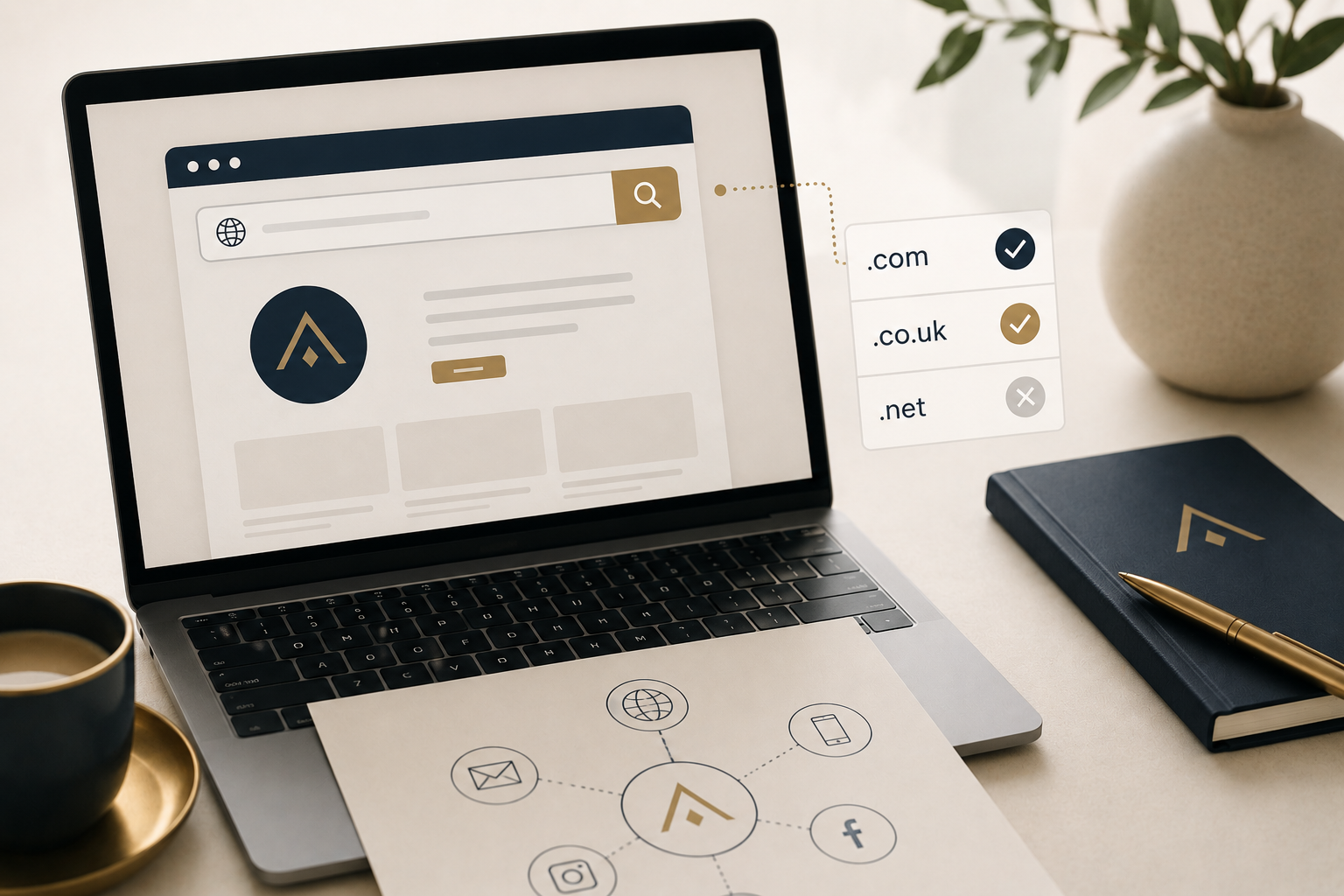
Domain Availability
Balancing identity with practical considerations.
Matching names and domains
Consistency across platforms
Building a coherent online presence

Rebranding
When the current identity no longer fits.
Business evolution and growth
Market repositioning
New strategic direction

Product & Service Names
Extending identity beyond the business itself.
New products and programmes
Service naming and positioning
Creating consistency within the wider brand

Personal Brands
When the founder becomes part of the identity.
Founder-led businesses
Professional reputation and visibility
Aligning personal and business identity
While every naming decision is unique, the objective remains the same: to create an identity that supports the purpose, positioning, and future direction of the business. Exploring these questions through multiple perspectives can often bring greater clarity and confidence to the decision-making process.
When Business Identity Becomes Important
Business identity is rarely a consideration only at the beginning of a business.
Many founders revisit questions of naming, branding, positioning, and identity at key stages of growth and development. What worked during launch may not always support the next phase of the business, and changes in direction, audience, services, or ambition can sometimes highlight the need for a fresh perspective.
Business Numerology provides an additional lens through which these decisions can be explored, helping founders evaluate existing identities, assess new possibilities, and consider how different elements of a business fit together.
Common Situations Include:
✓ Choosing between several business names
✓ Evaluating an existing business name or domain
✓ Planning a rebrand or repositioning exercise
✓ Launching a new product, service, or programme
✓ Developing a personal brand alongside a business
✓ Expanding into new markets or audiences
✓ Creating a clearer and more consistent brand identity
✓ Seeking greater confidence in an important naming decision
Business identity extends beyond a business name alone. It includes the wider collection of names, messages, brands, products, services, and associations that shape how a business is recognised and remembered.
Whether you are launching something new, refining an established brand, or considering significant changes, the goal is not simply to choose a name, but to create an identity that supports the long-term development of the business.
Related Services
Whether you are choosing a business name, considering a rebrand, launching a new venture, or seeking a broader assessment of your business identity, the services below provide practical support tailored to different situations and stages of development.

Business Name Check
A focused assessment of an existing business name, brand name, or domain, exploring its strengths, challenges, and alignment with your business objectives.
Ideal if:
You are considering a new business name
You have several names to choose between
You want an independent assessment of an existing name
You are planning a rebrand or business refresh

Business Launch Design
A two-stage consultation designed to help founders create strong foundations for a new venture through identity, naming, timing, and strategic alignment.
Ideal if:
You are launching a new business
You are choosing between several business names
You want support selecting launch dates and timings
You are developing a new brand or identity
You want to build from a stronger foundation
Explore The Other Pillars
Business Numerology can be approached from several different perspectives. While this page focuses on business identity and brand development, the other pillars explore founder alignment, timing and launches, and strategic development.
Founder & Business Alignment
The founder influences every aspect of a business, from leadership style and decision-making to growth patterns, strengths, and challenges. Understanding the relationship between the founder and the business can provide valuable insight into both opportunities and obstacles.
Business Timing & Launches
Timing influences when opportunities emerge, when change is required, and when key decisions are most effectively implemented. Launch dates, business cycles, expansion plans, and major milestones can all be examined through a timing lens.
Strategic Business Development
Business success rarely depends upon a single factor. This pillar brings together founder, identity, timing, and practical business considerations to explore growth, change, positioning, and long-term direction.
Explore Strategic Development →
Return To Business Numerology
Explore the complete Business Numerology framework, including services, resources, and the four pillars that form the foundation of my approach.
Explore Further
Every business develops its own identity over time.
The names it uses, the way it communicates, the reputation it builds, and the experiences it creates all contribute to how it is recognised and understood. Business Numerology provides a structured framework for exploring these influences and gaining a broader perspective on the identity decisions that support long-term growth and development.
To learn more about the principles behind Business Numerology, explore the FAQ. If you have questions about your business, your objectives, or which service may be most appropriate for your situation, please feel free to get in touch.